Search results for REGVIP how to use promo code in betwinner Central African Republic
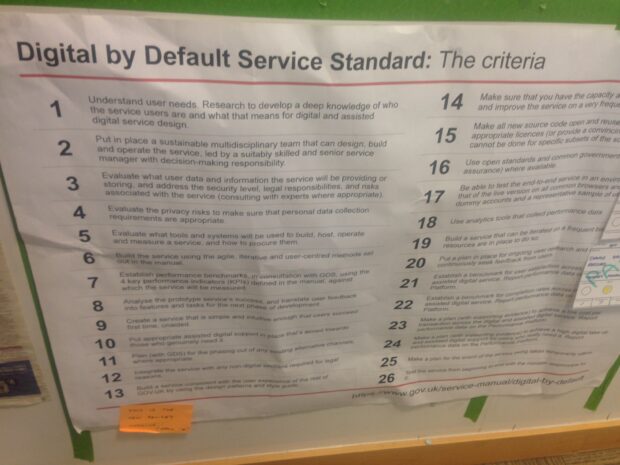
...for this service, including approaches to digital inclusion that will help users build digital skills and lessen long term need for further support the team’s efforts to use stakeholder channels...
...it to extract the “sign” and “scale” attributes sometimes used in UK data - important because these can turn profits into losses, and change tens to tens of thousands! This...
...the recommendations from the initial Beta assessment. User Needs The team have adjusted the focus of ongoing user research to deepen their understanding of user needs, by specifically recruiting users...
...to it. We are still iterating both the structure and tagging approach for the topic taxonomy, and there are various ways that the semantic vectors can be used to inform...
...we’ve been ‘hacking’ Google Analytics to gain useful insights into what our users are currently searching for on GOV.UK. On average, more than 100,000 internal searches are made daily on...
...a team to take on board the recommendations and use them to improve the service, making it better for users. In fact, maybe the most satisfying thing about working on...
...The platform lets service managers understand how their services are used and alerts them to any problems. This then leads to improvements in the service provided and a better experience...
...most famous example is the Internet, which wouldn’t work without some consistency in how browsers and websites use the main language (HTML). This also applies to government. A good example...
...financially? We’ve had 5,881 visits to the service design manual search over 6 months, and reckon it took about £3,000 worth of internal developer time to build. The code should...
...in-house assisted digital support to support users but this is not yet in place. As an interim measure in beta, the team has arranged to provide assisted digital support by...