DAUGS VIII : What we learned
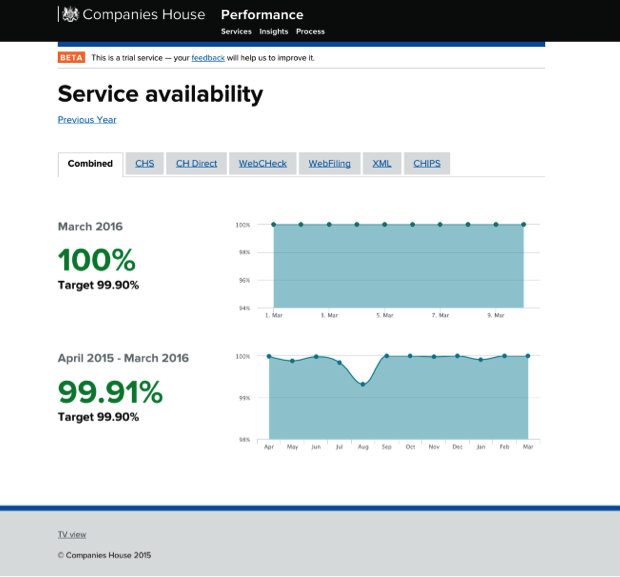
...took us under the bonnet of their dashboards and showed how they combined the Google Analytics API, Google Sheets, JSON and charts to quickly build dashboards that are shareable within...
...took us under the bonnet of their dashboards and showed how they combined the Google Analytics API, Google Sheets, JSON and charts to quickly build dashboards that are shareable within...
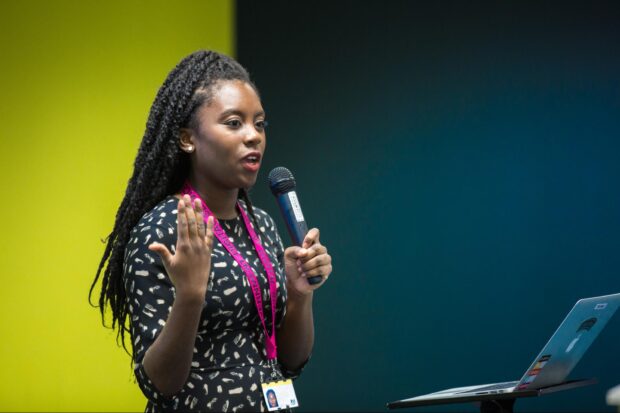
...interested in how to build data science teams and a data informed culture while managers are often interested in getting projects started. What’s next? In 2018, we’re planning to scale...
...gaining a comprehensive understanding of how users think about Tax Credits and the information they have to provide. All of the recommendations made in the previous Beta assessment need to...
...to continuous integration and testing, as well as infrastructure as code. The team should ensure they continue to reduce the risk of lock-in to their current infrastructure provider. The team...
...and work with GOV.UK to determine user needs and let this inform which single tool to iterate. In order for My Business Support Finder tool to continue development the outcome...
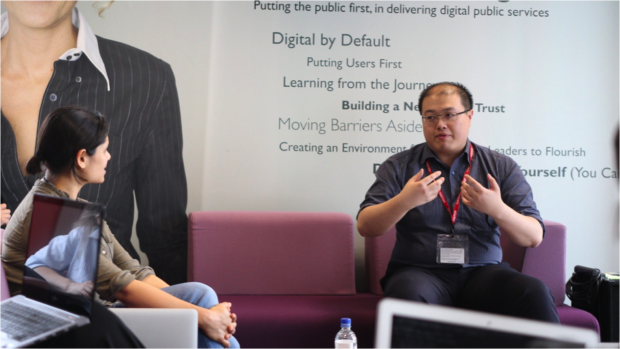
...there's a real advantage in getting in touch. Here are FAQ and more information about what you’re signing yourself up for! We plan to start the programme on 30 June....
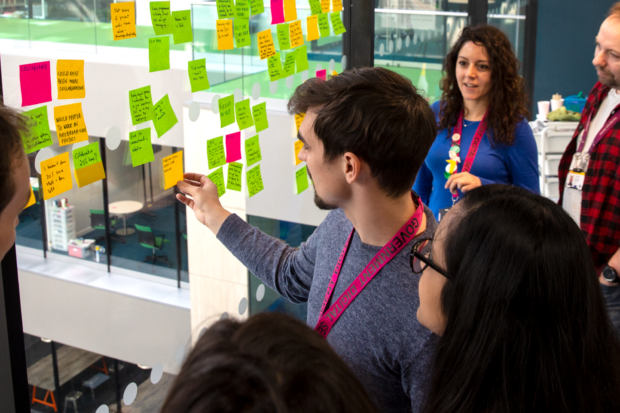
...gave us a useful opportunity to learn how to handle messy data in the real world Our 2021/22 cohort was split into 2 pairs to encourage the development of new...
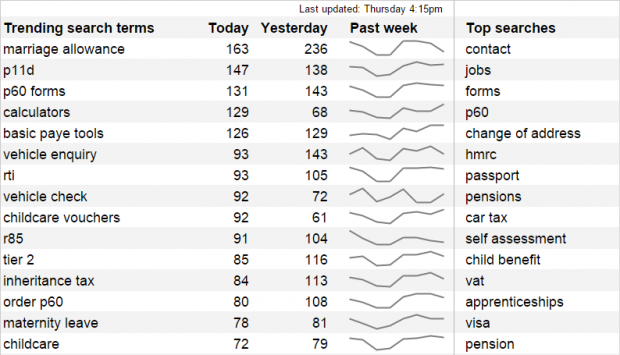
...or you can show the actual report dates using ‘=Today!$B2’ in column C, then ‘=Today!$B2-1’ to calculate the day before in column D, and so on (and then customise how...
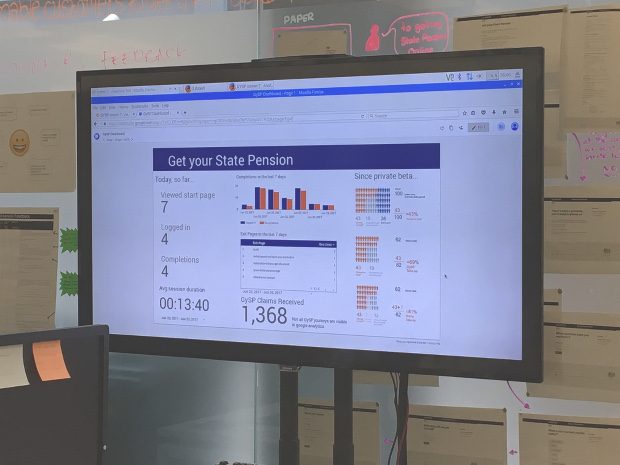
...users have needs too. In my next blog post I’ll tell you more about the dashboard itself. I’ll describe how we decided: what to include where to host it how...
...to an in-house user researcher. GDS were not assured how the current team would be able to design/test/code quickly without this support being in place, particularly for a Live service....