Search results for VIPREG betwinner promo code new user 2024 Estonia
...of this service will be frequent users and will understand the terminology used, it needs to be designed so that occasional and new users find it as simple as specialists...
...the public sector. This is a significant achievement in just a short space of time, and we’ve just done our first cohort with two new ‘hubs’ running in Sheffield and...
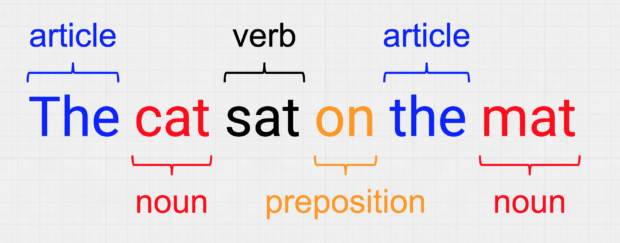
...help understand syntax. We’ve written before about NLP for classifying user feedback and tagging pages of GOV.UK, and the Ministry of Justice have used it to identify document relationships. At...
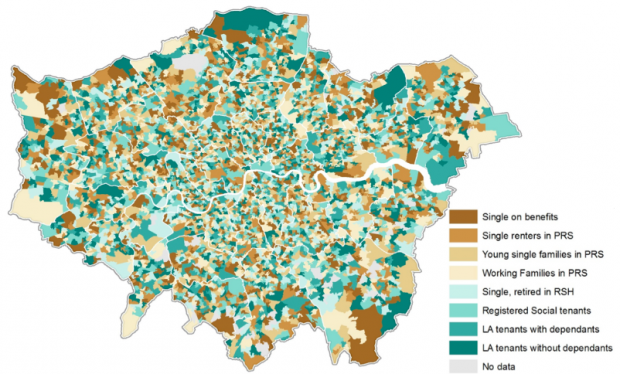
...new digital propensity user groups for products and services. The goal of the modelling was to understand how these changing customer profiles would affect users' willingness and ability to use...
...a page level, so that it is easy to see the history of what users have said about any one page. Example of user feedback So a user might comment...
...responsibly innovate. It was first published in 2016 and was reviewed again in 2018. The latest version, published this month, has been updated following extensive consultation with users of the...
...a centralised API hub: High user interest: Most users were keen on a central space for APIs Better efficiency: Users felt a shared API space would reduce duplication of effort...
...to private beta. Reasons The service is meeting user needs has done extensive user testing with real users. The assessment panel were impressed with the frequency of testing and the...
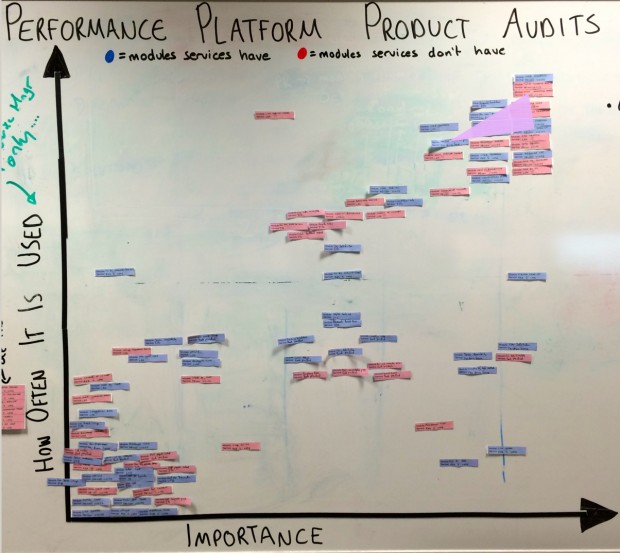
...to create the following visualisations. Firstly, the KPIs: All the KPIs visualised User satisfaction and Digital Take Up were the two highest ranked modules. Our users said they put these...
...of how this channel fits into the wider payments strategy for HMRC demonstrated a strong, pragmatic approach to creating a positive user experience. The platform has been designed with user...