Search results for VIPREG how to use betwinner free bet promo code Switzerland
...need sustained attention if it’s to be completed in time to be useful for this service. The team: The team is not co-located however they appear to be working well...
...need a user researcher. Plan to test the service with new primary users recruits prior to their onboarding to see if the service is intuitive to use. Demonstrate design consistency...
...blocks you from downloading these tools, you may want to ask your employer to sponsor a standalone laptop to develop your data science skills (this may require a business case...
...tools actually collect and process data, and how to use them to better understand how users interact with digital services. Finally, we heard more about how analytics can be turned...
...understanding how changes to GOV.UK content can impact your service what we learned about how to make data more accessible an unconference session for anyone to ask general or technical...
...Return isn’t free. We need to do some work to develop it. And there are other risks to consider too. People would need to be able to return to the...
...reflects HMRC’s longer‑term ambition to make it easier for customers to self‑serve on straightforward tasks. Decisions about what to prioritise, how to communicate and where to intervene are shaped by...
...just where you check eligibility? The panel recommend the service team use user-generated tasks in research to understand what users expect to do with the service. The panel also recommend...
...follow-up post about how they’ve built RAP into their day-to-day working and what we’ve all learned from their experiences. DCMS DCMS were the first department who we collaborated with to...
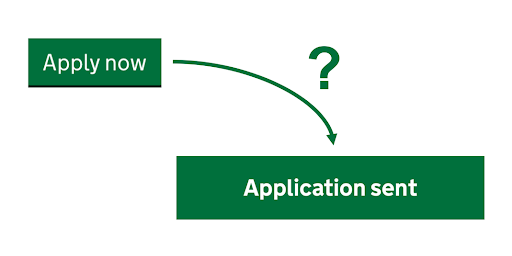
...end-to-end service, not just the initial application process. At beta assessment, the panel would expect to see a working end-to-end service that allowed users to make an application and case...