Service manual discovery findings
...to think about how to show when content was last updated and how it has changed over time. We also need to make sure the structures are in place to...
...to think about how to show when content was last updated and how it has changed over time. We also need to make sure the structures are in place to...
...and the face to face support available through DVSA’s 'Change agents'. It was good to hear how the team have actually pared down other activities to free up face-to-face support...
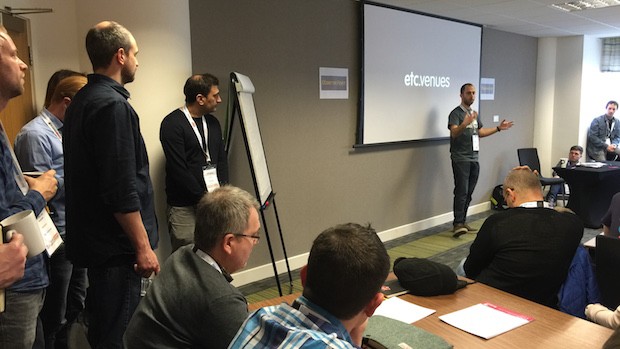
...the flaws in how Google Analytics calculates time on page and session duration, then went on to show us how to use timer scripts to increment a custom metric every...
...contribute to improvements in the development, design and deployment of algorithmic tools across the public sector. It enables those who build, deploy, use, or regulate these tools to identify any...
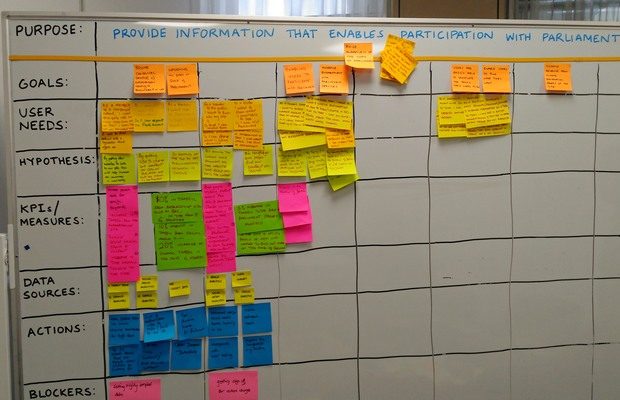
...able to set performance goals from the start of a project, and know how they are going to measure them. A performance framework is a tool that can be used...
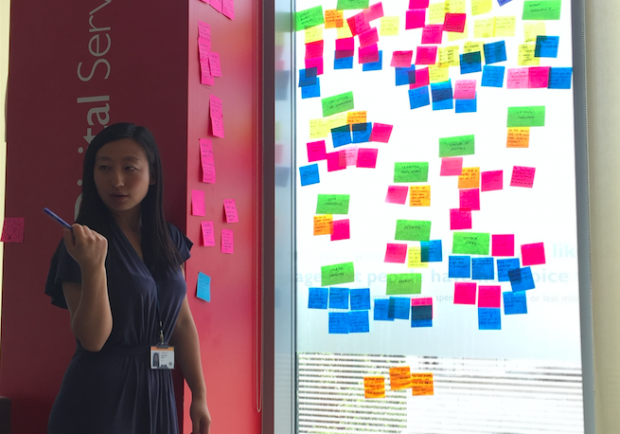
...move towards that we’re continuing to work with them to provide data to the current Performance Platform using the existing KPIs. Follow GDS on Twitter, and don’t forget to sign...

...our work more productive and focused. As a regulator, we’re shifting our guidance away from “don’t do” to “how to”. Similarly, we needed our use of data to “show, not...
...for improvement. The team should continue looking at how to make the user journey as simple as possible, with particular attention to: the expiry time for the check code -...

...seen interest across government, the Data Science Community Manager promoted the group to a wider audience. I changed the name to the Text Data Subcommunity to reflect a broader approach...
...services. The team are using tools to check multiple browser compatibility and have access to a library of devices to check how the service works in the real world. Design...